Decoding the Hidden Mechanics of Reward Thresholds in Live Table Game Promotions
Written by Carlo Hayes · May 16, 2026
Decoding the Hidden Mechanics of Reward Thresholds in Live Table Game Promotions
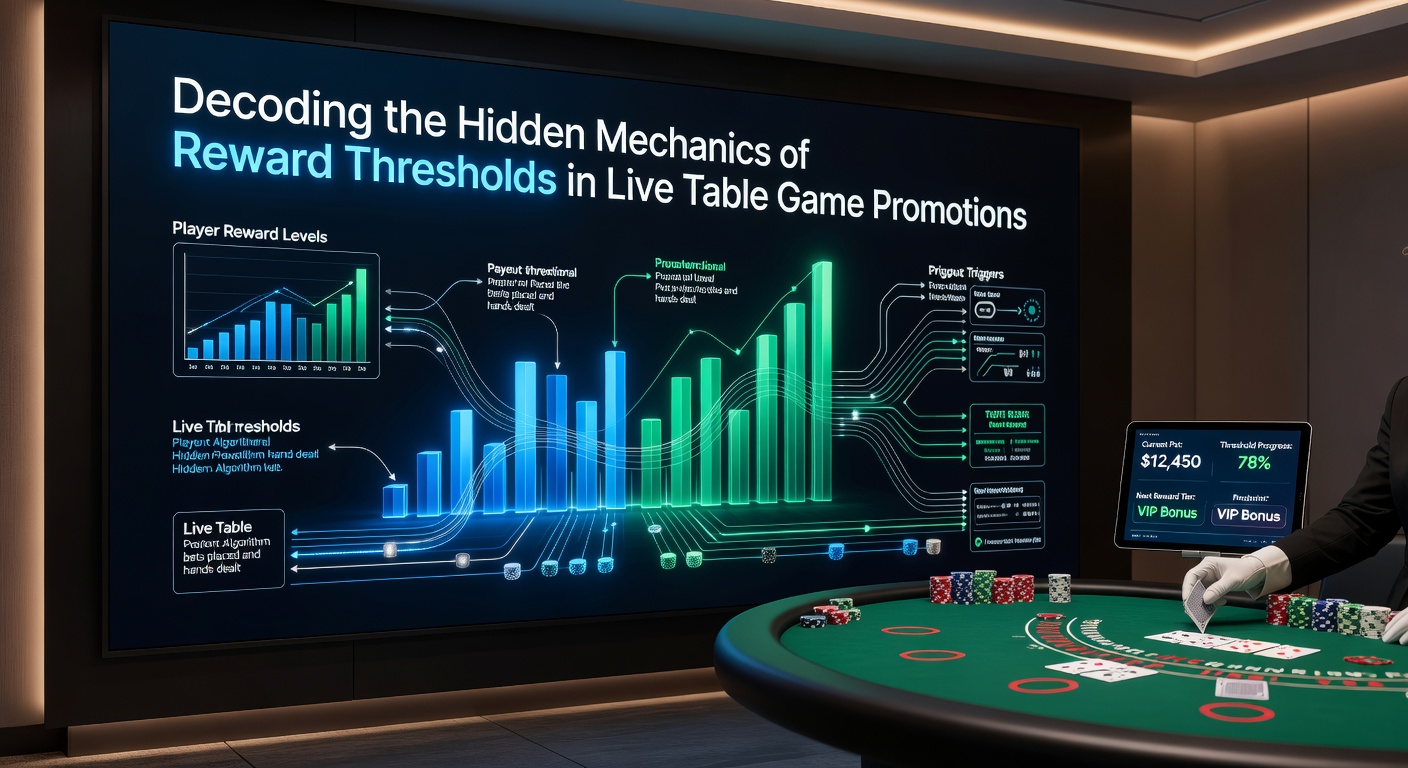
Live table game promotions operate through carefully calibrated reward thresholds that determine when players unlock bonuses, cashback, or complimentary play, and these systems track activity across games like baccarat, blackjack, and roulette with precision that often goes unnoticed by casual participants. Operators set these thresholds based on expected house edges and player volume, while data from industry reports shows that average reward activation points range from 500 to 2000 loyalty points per session depending on the venue and game type. Players accumulate points through bets placed, yet hidden multipliers apply when certain conditions align, such as consecutive wins or minimum table minimums met over a defined period.
Core Components of Threshold Calculation
Threshold mechanics rely on algorithms that convert raw wager amounts into qualifying points, and casinos adjust these conversions seasonally to manage promotional budgets. For instance, a standard baccarat hand might yield one point per 10 units wagered, whereas side bets in variants like Pairs+ trigger double points once thresholds exceed 300 in a single shoe. Researchers at the International Gaming Institute have documented how these formulas incorporate time decay factors, meaning points earned early in a promotion window lose value if players fail to reach milestones before reset dates, which often fall at month-end or during high-traffic events.
Operators integrate real-time monitoring tools that flag when a player's cumulative activity approaches critical levels, triggering automated offers such as matched play credits or enhanced comps. Data from the Nevada Gaming Control Board indicates that live table promotions in 2025 generated over $1.2 billion in redeemed rewards across major properties, with thresholds calibrated to retain 65 percent of high-volume players who cross the 1500-point mark within 48 hours. This calibration process accounts for game volatility, ensuring that higher-edge bets like insurance wagers contribute less toward thresholds compared to main game wagers.
Regional Variations and Recent Adjustments
Promotional structures differ by jurisdiction, and Asian markets emphasize rapid threshold resets tied to VIP tiers while North American venues favor extended windows that reward consistent play across multiple tables. In May 2026, several Macau operators introduced dynamic thresholds that scale with table occupancy, allowing players at busier baccarat pits to earn points at accelerated rates once minimum headcounts are reached. These adjustments respond to post-pandemic recovery patterns where live gaming revenue climbed steadily, and industry associations note that such flexibility helps balance player acquisition costs against retention metrics.
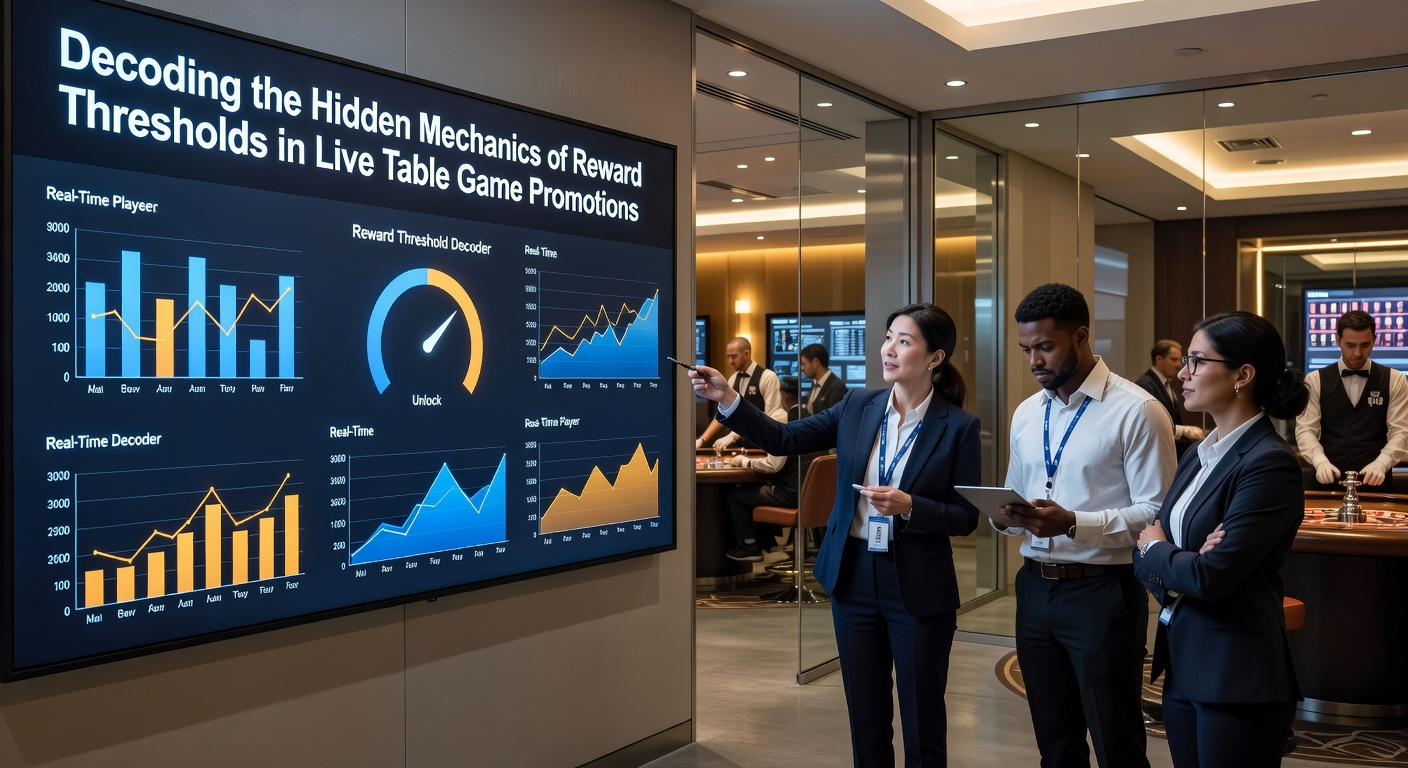
Hidden elements surface through tiered bonus structures where initial thresholds unlock basic rewards while subsequent layers demand exponentially higher activity. A player might clear the first tier at 750 points for a $50 credit, yet advancing to the second tier requires 2200 points with added stipulations like minimum average bet sizes. Observers note that these progressions often include exclusion clauses for certain bet types, preventing low-volatility strategies from dominating the system and ensuring that promotional spend aligns with overall revenue targets.
Player Tracking and Compliance Factors
Modern systems employ RFID-embedded chips and digital interfaces to log every transaction, creating transparent yet complex audit trails that regulatory bodies review during compliance checks. Australian gaming authorities have highlighted cases where miscalibrated thresholds led to unintended over-redemption, prompting operators to refine their models with predictive analytics that forecast player behavior based on historical data sets. Those who study these patterns find that thresholds frequently incorporate player segmentation, granting lower entry points for new accounts while raising bars for repeat visitors to optimize lifetime value calculations.
Live streaming integrations add another layer, as promotions tied to online broadcasts sometimes feature viewer-specific thresholds that activate only during designated events. Figures from 2026 show increased adoption of these hybrid models, with operators reporting 18 percent higher engagement when thresholds sync across physical and virtual platforms. The mechanics remain governed by strict rules that cap maximum rewards per cycle, preventing runaway liabilities while still delivering value that encourages prolonged table sessions.
Conclusion
Reward thresholds in live table game promotions function as engineered gateways that balance operator profitability with player incentives, and their hidden mechanics become clearer when examined through the lenses of point conversion rates, tiered progressions, and jurisdictional adaptations. Data continues to evolve as technology refines tracking precision and regulatory oversight maintains fairness across markets, allowing these systems to adapt without disrupting core gameplay dynamics.