Jurisdictional Regulations and Layered Reward Architectures in Crypto Baccarat Systems
Written by Sam Beck · Aug 1, 2026
Jurisdictional Regulations and Layered Reward Architectures in Crypto Baccarat Systems
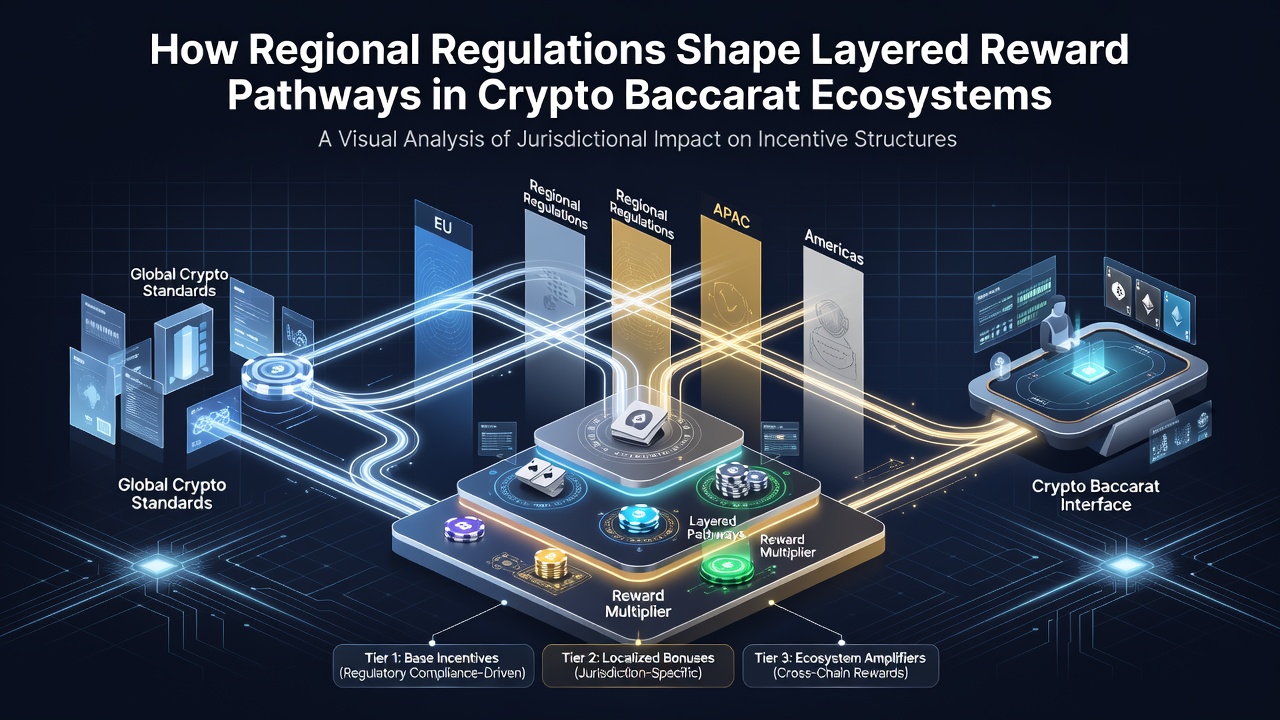
Regional regulatory frameworks determine the design and implementation of layered reward pathways in crypto baccarat ecosystems, and operators adjust incentive structures to align with compliance requirements in each jurisdiction. Data from industry reports shows that platforms operating under stricter oversight often limit reward tiers to prevent bonus exploitation while those in more permissive environments expand multi-level systems that incorporate deposit matches, loyalty points, and crypto-specific cashback mechanisms.
According to figures from the Malta Gaming Authority, crypto-enabled table game operators in that region introduced updated reward layering protocols in early 2026 to address anti-money laundering standards, which resulted in clearer separation between welcome bonuses and ongoing loyalty pathways. These adjustments allow players to progress through tiers based on verified transaction volumes rather than single large deposits, and similar patterns appear in other regulated markets where operators must balance player retention with regulatory demands.
Key Differences Across Major Regulatory Zones
North American jurisdictions impose distinct constraints compared to European and Asian markets, and these variations directly shape how crypto baccarat rewards accumulate over time. Canadian provincial regulators, for instance, require detailed reporting on promotional offers, which leads operators to structure layered rewards with built-in verification checkpoints that unlock subsequent tiers only after initial playthrough conditions are met. In contrast, certain Southeast Asian frameworks permit more flexible crypto integrations, enabling platforms to combine side-bet incentives with progressive loyalty ladders that scale automatically based on cumulative wagers.
Research from the Australian Institute of Criminology indicates that reward pathways in crypto baccarat often incorporate geographic restrictions, and operators must segment user access to comply with local prohibitions on certain bonus types. This segmentation creates parallel incentive tracks where players in approved regions access full multi-layer systems while others receive streamlined versions limited to cashback or free-play credits, and such adaptations maintain platform viability without violating cross-border rules.
Technical Adaptations in Reward Layering
Platform developers respond to regulatory signals by embedding compliance logic into the reward architecture itself, and this produces systems where each layer activates only after regulatory thresholds are satisfied. Crypto transaction monitoring tools integrate with baccarat game interfaces to track reward eligibility in real time, which prevents premature tier advancement that could trigger enforcement actions. Observers note that these technical layers often include smart contract elements that automatically adjust payout percentages based on the player's registered jurisdiction, and such automation reduces manual oversight costs while ensuring consistent application of rules.
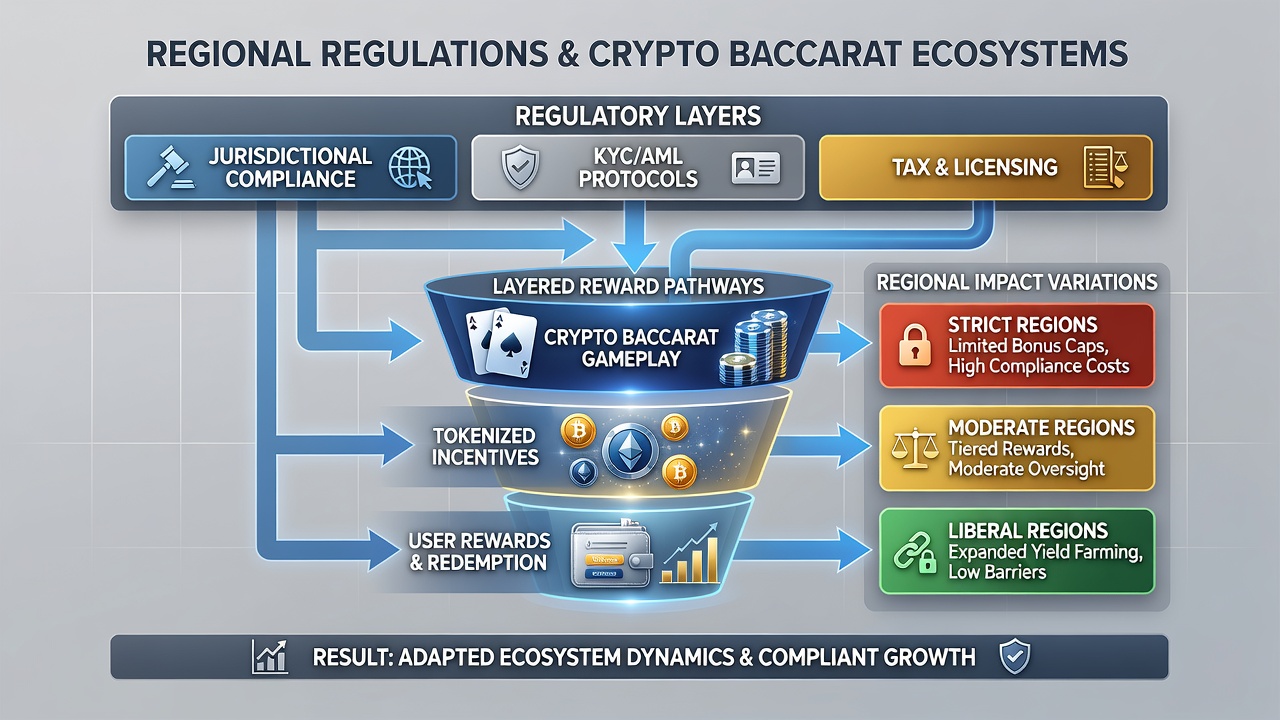
August 2026 brought additional clarity in several markets when new guidelines on digital asset promotions took effect, and operators in those areas revised their crypto baccarat ecosystems accordingly. The changes required explicit disclosure of reward pathway mechanics within user interfaces, which prompted developers to redesign progression maps so that each tier displays jurisdiction-specific conditions before activation. Data shows increased player completion rates for initial layers under these transparent models, as clearer information reduces confusion over eligibility criteria.
Case Examples from Licensed Operators
One operator licensed under multiple frameworks restructured its crypto baccarat rewards to feature three distinct pathways that branch according to player location, and this approach allows the same platform to serve diverse regulatory environments without separate deployments. European users encounter reward layers tied to responsible gaming limits, whereas users in approved Asian territories access additional crypto staking bonuses that compound across tiers. Industry analyses reveal that such branching systems maintain operational efficiency while satisfying localized demands, and similar modular designs have appeared across several major crypto gaming sites since mid-2025.
Another documented example involves a platform that introduced regulatory-triggered pauses in reward progression, and these pauses activate automatically when transaction patterns suggest potential non-compliance. The mechanism pauses further tier advancement until additional verification occurs, and this feature emerged directly from requirements outlined in updated licensing conditions across multiple regions. Players experience the pause as a temporary hold rather than a penalty, and the design preserves engagement while meeting oversight expectations.
Future Trajectories in Regulatory Alignment
Emerging regulatory proposals continue to emphasize interoperability between reward systems and compliance databases, and this trend points toward greater standardization of layered pathways in crypto baccarat. Academic studies on digital gambling economics project that operators will increasingly adopt unified backend frameworks capable of applying regional rules dynamically, which reduces the need for entirely separate reward structures per jurisdiction. Evidence from current implementations suggests that such unified systems can still deliver differentiated experiences tailored to local expectations without fragmenting the overall player journey.
Conclusion
Regional regulations continue to mold the architecture of layered reward pathways in crypto baccarat ecosystems through compliance-driven adjustments to tier structures, verification processes, and geographic segmentation. Operators that successfully integrate these constraints maintain functional incentive programs that support player progression while satisfying oversight requirements across varied markets. The patterns observed through 2026 demonstrate ongoing adaptation rather than static solutions, as new guidelines prompt further refinements to how rewards accumulate and unlock within crypto-enabled environments.