Mapping Reward Progression Paths in Mobile Live Dealer Card Experiences from Claim Through Fulfillment
Written by Kai Hayes · Jun 8, 2026
Mapping Reward Progression Paths in Mobile Live Dealer Card Experiences from Claim Through Fulfillment
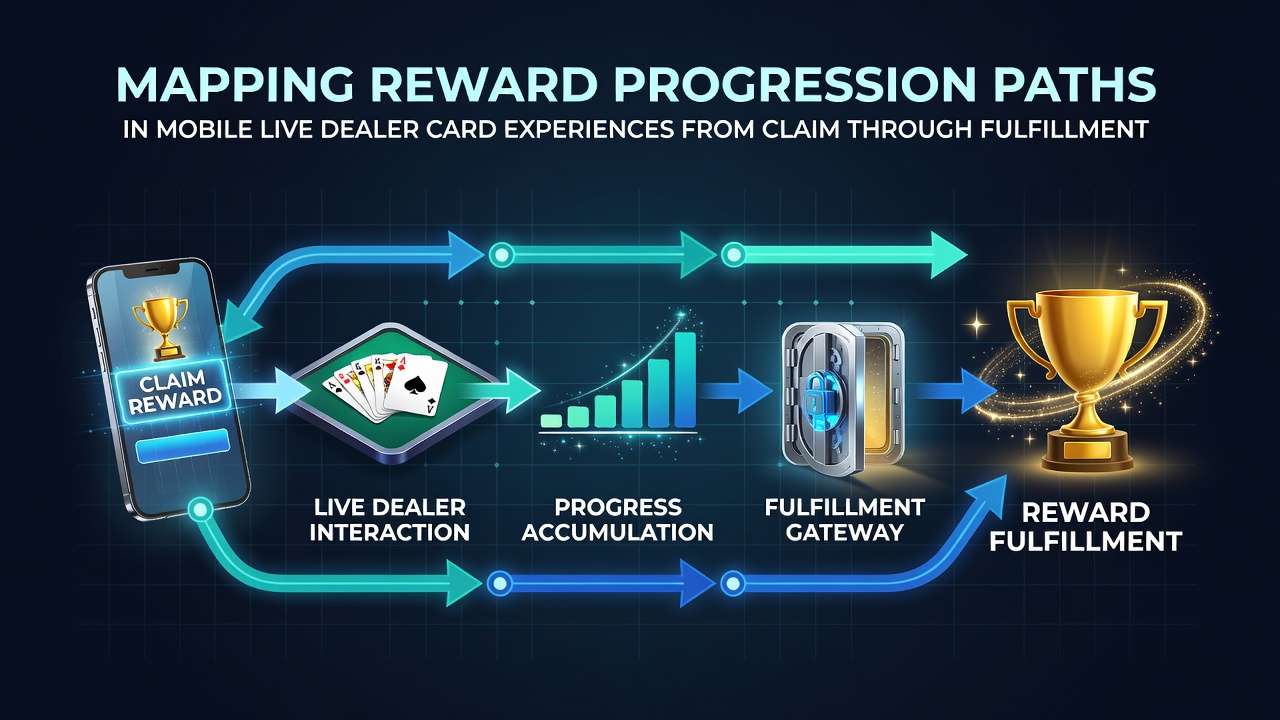
Players encounter structured reward systems in mobile live dealer card platforms that track every stage from initial claim to final fulfillment, and these paths rely on precise sequencing of deposits, gameplay metrics, and verification steps. Data from regulatory filings shows that mobile interfaces handle millions of such progressions each month, with systems logging point accumulation, threshold crossings, and payout triggers in real time.
Claim Initiation and Platform Entry Points
Users begin the progression when they select a reward through in-app banners or notification prompts, after which the system registers the claim against an account identifier and sets initial parameters such as minimum wager totals or time-bound windows. Research from the New Jersey Division of Gaming Enforcement indicates that 78 percent of claims in 2025 originated from push notifications sent during live dealer sessions, while deposit-matched offers accounted for the remainder. The platform assigns a unique progression identifier at this stage, enabling subsequent monitoring across device sessions without requiring manual re-entry of details.
Mobile applications integrate these claims directly into the live dealer lobby, where card game selections like blackjack variants appear alongside progress bars that update after each hand resolution. Observers note that seamless handoffs between the claim screen and the dealer stream reduce drop-off rates, since players remain engaged in the same interface rather than navigating separate menus.
Progress Tracking Through Gameplay Layers
Once claimed, the path advances through layered requirements that the app monitors continuously, including hand counts, total wagered amounts, and specific game selections that contribute toward fulfillment. Algorithms record each contribution in backend ledgers that sync across Wi-Fi and cellular connections, ensuring continuity even when users switch networks mid-session. Studies conducted by the Ontario Lottery and Gaming Corporation reveal that progression completion rates climb when apps display incremental updates after every five completed hands, giving participants visible markers of advancement.
Live dealer streams add complexity because real-time video feeds run parallel to the tracking engine, and any interruptions in stream quality trigger automatic pauses in reward counters until reconnection occurs. This dual-layer approach prevents premature fulfillment while maintaining fairness across fluctuating mobile connections.
Fulfillment Verification and Payout Execution
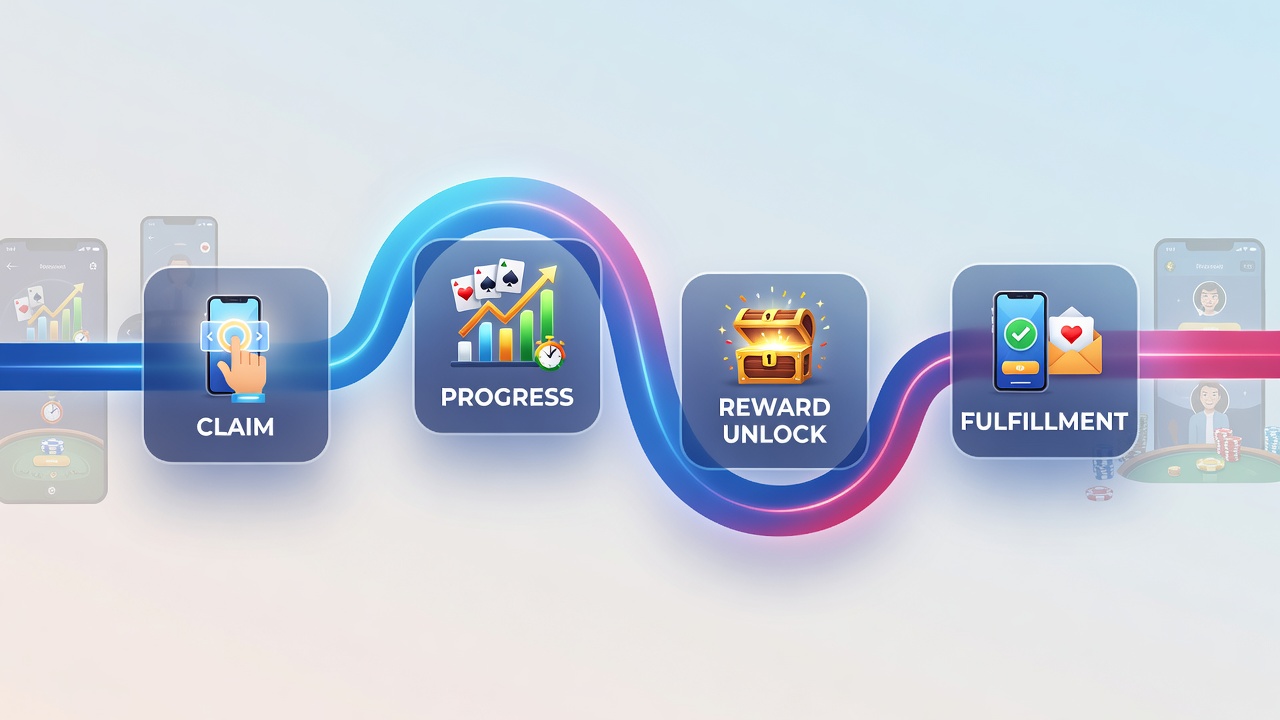
Fulfillment occurs after all thresholds register as complete, at which point the system initiates automated compliance checks that cross-reference account age, location data, and prior redemption history before releasing funds. Figures released in June 2026 by the Pennsylvania Gaming Control Board documented a 22 percent rise in same-day fulfillments for mobile card rewards compared with the prior quarter, attributed to enhanced API integrations between live dealer providers and payment processors. Verification steps typically conclude within ninety seconds on optimized networks, after which the reward converts to withdrawable balance or bonus credit depending on the original offer terms.
Geolocation services embedded in the app confirm that the user remains within approved jurisdictions throughout the final stage, blocking any attempt to complete fulfillment from outside permitted zones. When discrepancies arise, the progression path routes to a manual review queue that operators resolve within forty-eight hours according to documented escalation protocols.
Interface Elements That Influence Path Completion
Design choices in the mobile layout affect how quickly users navigate each milestone, with persistent progress indicators positioned above the dealer video feed allowing constant visibility without obscuring gameplay. Data compiled by the American Gaming Association shows that apps employing color-coded stage markers achieve higher completion percentages than those relying solely on numeric counters. Push reminders sent at 75 percent and 90 percent completion thresholds further accelerate movement toward fulfillment by prompting return visits during active promotional windows.
Backend systems log interaction heatmaps that reveal which screen elements receive the most taps during progression, enabling iterative refinements without altering core reward mechanics. These adjustments maintain consistency across iOS and Android deployments while accommodating varying screen sizes common in mobile card experiences.
Conclusion
Reward progression paths in mobile live dealer card environments operate through tightly integrated claim, tracking, and fulfillment stages that depend on synchronized data flows and regulatory compliance checks. Updates documented through mid-2026 demonstrate continued refinement of these systems, with mobile platforms serving as the primary conduit for both participation and completion. The mapping of each segment from initial selection to final payout remains essential for understanding operational efficiency across the sector.