Tracing Incentive Lifecycles Across Mobile Interfaces for Enthusiasts of Classic Table Games
Written by Greta Günther · May 28, 2026
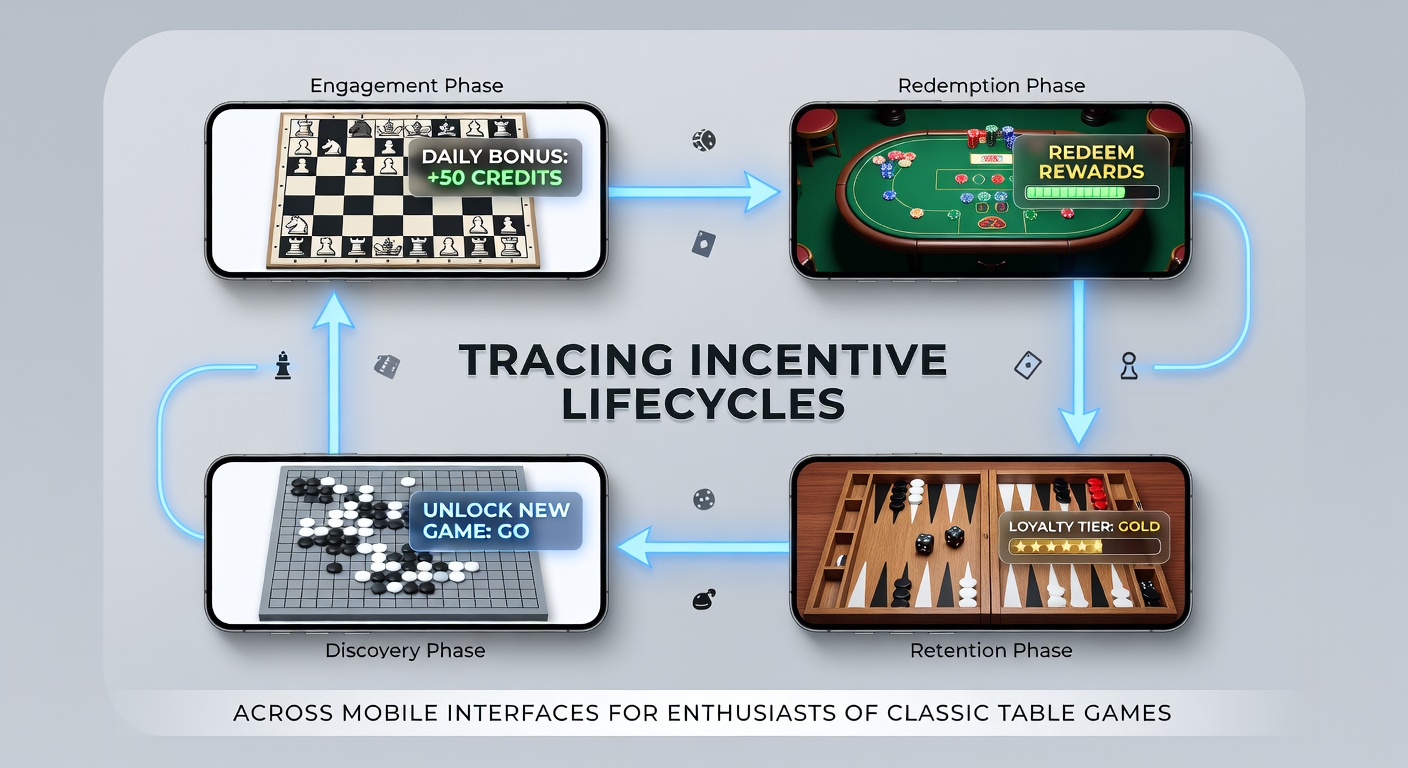
Tracing Incentive Lifecycles Across Mobile Interfaces for Enthusiasts of Classic Table Games
Enthusiasts of classic table games often encounter structured incentive systems that operate through dedicated mobile interfaces, and these systems follow distinct lifecycles from initial distribution through final redemption or expiration, while data from regulatory bodies such as the Nevada Gaming Control Board shows consistent patterns in how platforms manage player rewards across games like blackjack, poker, and roulette.
Developers design these lifecycles to integrate directly with mobile applications, where users access dashboards that display point balances, eligibility windows, and progress bars updated in real time through server-side connections, and this setup allows for seamless transitions between different game types without requiring separate logins or manual transfers.
Acquisition and Initial Distribution Phases
Platforms distribute incentives through targeted campaigns that begin with registration or deposit actions, and mobile interfaces present these offers via push notifications or in-app banners that detail eligibility criteria such as minimum playtime thresholds or specific wager amounts on table games, while figures from the American Gaming Association indicate that acquisition rates have risen steadily since the expansion of mobile platforms in North American markets.
Once claimed, the incentive enters an activation period tracked by timestamps embedded in the app's backend, which prevents premature use and aligns reward availability with promotional calendars that often reset monthly or quarterly depending on the operator's schedule.
Tracking Mechanisms in Mobile Environments
Mobile interfaces employ layered tracking that records every interaction with incentive-bearing games, and users view these details through interactive logs that list completed sessions, accumulated points, and remaining validity periods without needing to contact support staff, whereas observers note that such transparency reduces disputes over expired rewards.
Integration with device features like secure storage and biometric authentication further secures the data flow, ensuring that lifecycle events such as point conversions or threshold achievements update across synchronized devices, and this connectivity proves essential for enthusiasts who switch between tablet and smartphone sessions during extended play periods.
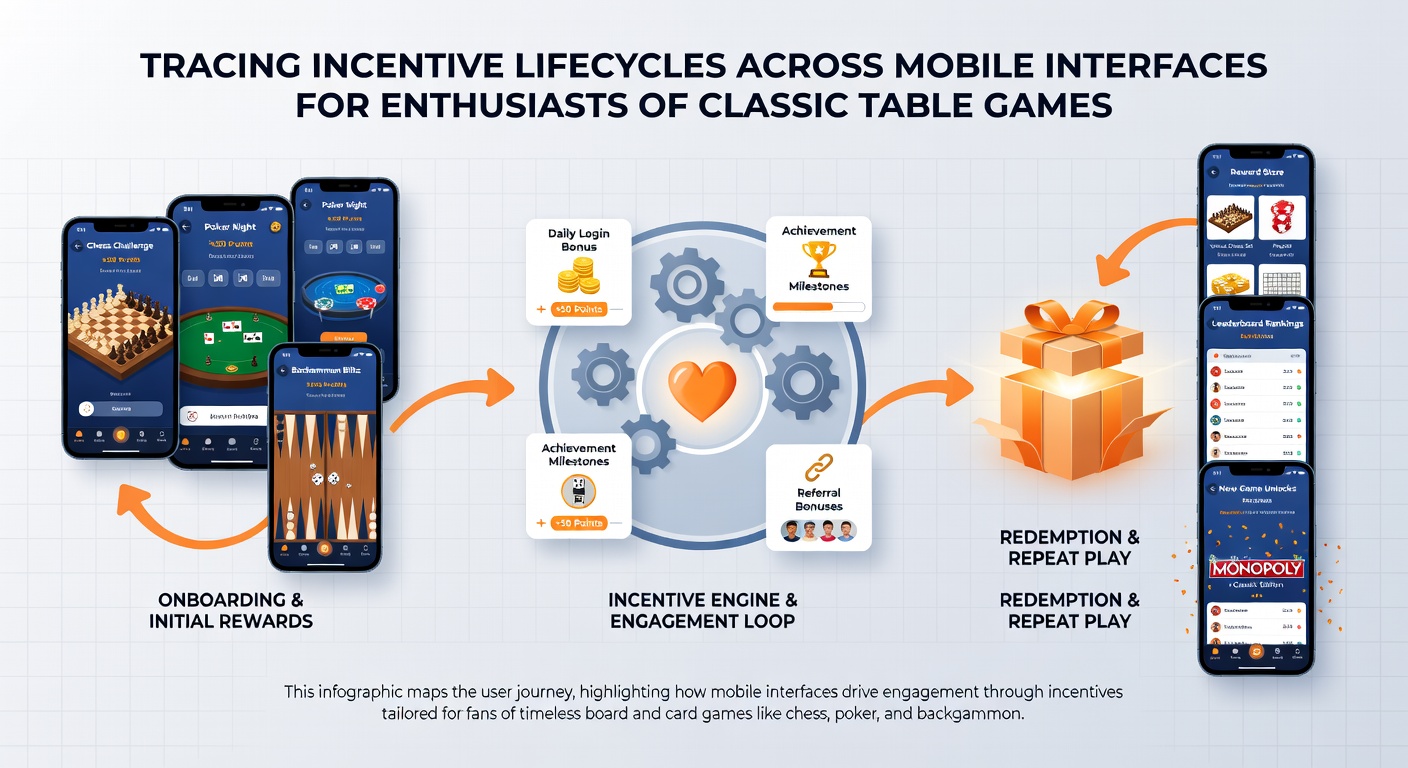
Research from industry reports highlights how APIs connect these mobile systems to central databases that monitor cross-game activity, allowing points earned on poker tournaments to contribute toward blackjack-specific milestones when operators permit such flexibility in their rulesets.
Utilization Patterns Across Game Types
Enthusiasts frequently convert incentives during live table sessions, and mobile dashboards display real-time adjustments that reflect wager contributions toward unlocking higher reward tiers, while data collected in May 2026 from various platforms revealed increased usage of multi-game incentive pools that span roulette and craps alongside traditional card games.
Conversion tools within the interface handle the transition from raw points to usable credits or free plays, and these processes incorporate verification steps that confirm compliance with any geographic or account-level restrictions before finalizing the exchange, thereby maintaining operational integrity across diverse player bases.
Monitoring, Adjustments, and Expiration Handling
Continuous monitoring occurs through automated alerts that notify users of approaching deadlines or required actions to maintain active status, and these messages appear in dedicated notification centers that also archive historical lifecycle events for later review, according to documentation from regulatory submissions in multiple jurisdictions.
Adjustments arise when operators modify terms mid-cycle, and mobile apps push updated summaries directly to affected accounts so that enthusiasts can adapt strategies without external research, while a study referenced by the Australian Communications and Media Authority demonstrates that clear in-app communication correlates with higher retention rates among table game participants.
Expiration concludes the lifecycle for unredeemed incentives, yet interfaces often include grace period indicators and reactivation options tied to renewed activity, which keeps the overall system dynamic rather than static across annual reporting periods.
Conclusion
Tracing these incentive lifecycles reveals a coordinated process that relies on mobile interfaces to handle distribution, tracking, utilization, and closure for classic table game enthusiasts, and ongoing developments continue to refine how platforms present these elements through accessible digital tools without altering core regulatory requirements.