Tracking Engagement Patterns in Mobile Baccarat Through Tailored Incentive Frameworks Across Worldwide Player Networks
Written by Kai Hayes · Aug 17, 2026
Tracking Engagement Patterns in Mobile Baccarat Through Tailored Incentive Frameworks Across Worldwide Player Networks
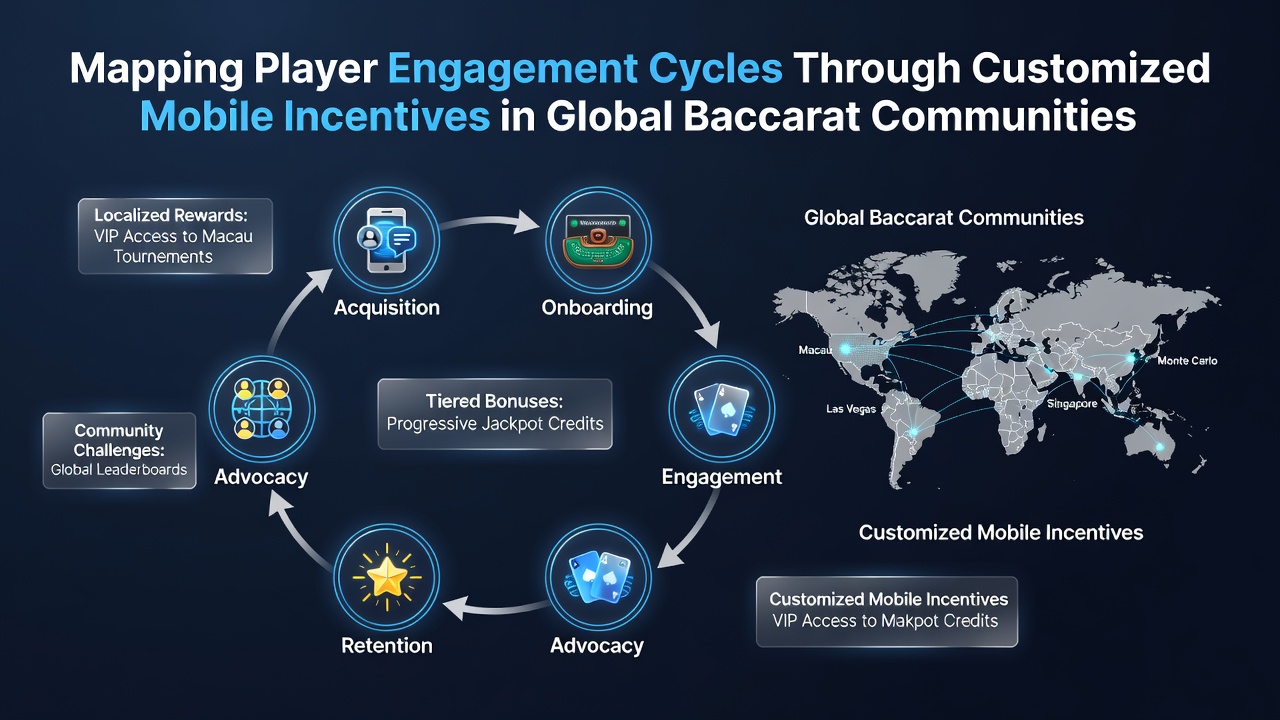
Player engagement cycles in mobile baccarat environments follow distinct patterns shaped by customized incentives that adapt to individual behaviors across regions including Asia, Europe, and North America. Data from industry reports indicate these cycles typically span initial discovery, sustained interaction, reward redemption, and renewal phases, with mobile platforms enabling real-time adjustments based on play frequency and session duration. Observers note that in August 2026 several operators updated their tracking systems to incorporate location-specific triggers, such as time-zone aligned notifications that extend active periods in high-traffic markets like Macau and Manila.
Core Components of Engagement Cycle Mapping
Mapping begins with data collection on user touchpoints where mobile apps record deposit timing, game selection, and response to personalized offers. Researchers at institutions studying digital gaming have documented how algorithms segment players into cohorts according to risk tolerance and preferred variants such as punto banco or mini-baccarat. These segments receive incentives calibrated to prolong cycles, for instance through progressive multipliers that activate after consecutive sessions without extended breaks. Studies reveal that such customization correlates with measurable increases in daily active users, particularly when interfaces adjust visual cues and reward displays to match cultural preferences observed in Southeast Asian versus European communities.
Geographic variations emerge clearly in cycle length. Communities in the Philippines often exhibit shorter discovery phases driven by rapid social sharing features, whereas North American participants show extended fulfillment stages tied to loyalty tier advancements. One analysis of portable gaming ecosystems found that mobile-specific tools like push reminders timed to peak evening hours in local markets can shift renewal rates by aligning with natural play rhythms rather than generic schedules.
Role of Interface Customization and Demographic Influences
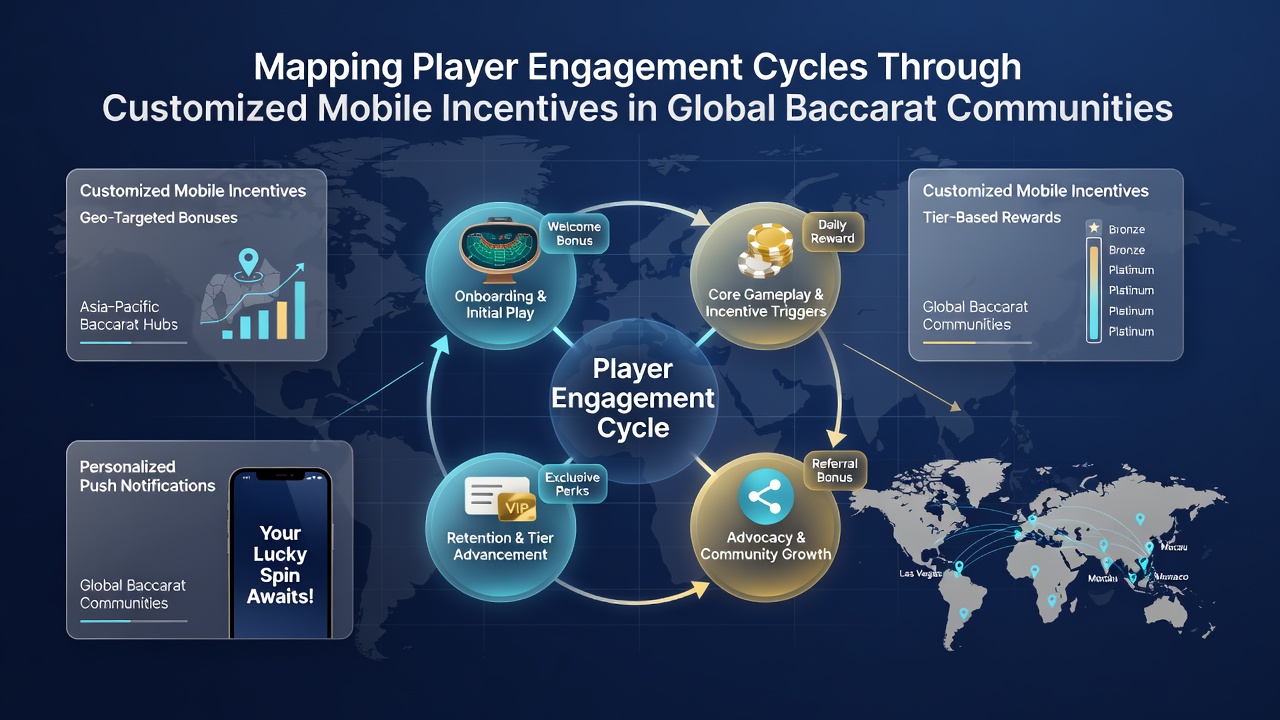
Interface elements directly affect how incentives integrate into engagement flows. Custom dashboards that highlight progress toward next-tier rewards encourage continued participation, with developers noting higher utilization when progress bars incorporate regional iconography or language options. Demographic patterns further refine these structures. Younger cohorts respond more readily to streak-based challenges embedded in apps, while established players in VIP segments engage longer with milestone bonuses calibrated to historical wager volumes.
August 2026 brought additional layers as several global platforms introduced AI-driven personalization that factors in device type and connection stability. This adjustment addressed drop-off points identified in prior cycle analyses, where unstable connections disrupted reward claims in emerging markets. External data from the Pennsylvania Gaming Control Board highlights similar patterns in regulated mobile table game environments, showing that targeted interface tweaks improved retention metrics across monitored operators.
Progression Paths and Fulfillment Mechanisms
Engagement cycles advance through defined stages from claim to fulfillment, with mobile notifications serving as connectors between phases. Participants who receive sequenced incentives, such as initial free spins followed by deposit-matched credits after verified activity, demonstrate extended interaction windows according to aggregated platform telemetry. Those who studied these paths note that fulfillment success rises when apps provide transparent tracking of accumulated points and clear redemption windows that avoid overlap with major regional holidays.
Global baccarat communities further benefit from cross-border adaptations. Operators serving both Asian and Australian users often synchronize incentive lifecycles with local regulatory calendars, ensuring compliance while maintaining momentum. Evidence from trade group publications shows that such synchronization reduces cycle interruptions caused by policy shifts, allowing smoother progression from discovery through renewal across time zones.
Seasonal and Timing Factors in Incentive Allocation
Timing windows play a measurable role in sustaining cycles. Seasonal promotions aligned with events like regional festivals or sports overlaps have produced documented spikes in session starts, particularly when delivered via mobile push channels calibrated to user activity logs. Data indicates that deposit timing incentives, such as time-limited multipliers available only during specific daily windows, extend active phases by encouraging repeat logins without disrupting established routines.
Researchers continue to examine how these elements interact within live dealer environments. Portable platforms that layer seasonal adjustments atop baseline customization report steadier engagement metrics, as participants encounter incentives that feel contextually relevant rather than generic. This approach aligns with findings from broader digital entertainment studies where adaptive reward structures outperform static models in maintaining long-term participation.
Conclusion
Mapping these cycles provides operators with frameworks for refining mobile incentive delivery across diverse baccarat communities. Continued analysis of demographic responses, interface effects, and timing variables supports more precise alignment between player behaviors and reward mechanisms. As platforms evolve in 2026 and beyond, integration of regional data sources remains central to sustaining engagement without compromising regulatory boundaries.